Local insights · 8 min read
Bondi apartments: the plumbing issues worth knowing about
Norton Plumbing is a family-owned Eastern Suburbs plumber that works on Bondi apartments week in and week out. Here's what goes wrong most often, and where the line sits between common property and your lot.
Rebecca Norton · 30 April 2026
Bondi is dense apartment territory. Art Deco walk-ups along Campbell Parade, post-war four-storey blocks across Bondi Beach, modern high-rises behind Bondi Junction, plus a long tail of older boutique buildings tucked into side streets. They all share the same fundamental difference from a house: your plumbing is connected to your neighbours' plumbing through common stacks, shared risers, and centralised systems that someone else manages. Most of the calls we get from Bondi apartments boil down to figuring out where your responsibility ends and the body corporate's begins. This article is what we tell people to expect.
What makes apartment plumbing different from house plumbing
In a house, the plumbing under your floor is yours. In a Bondi apartment, three separate systems run through your building: common property (risers, stacks, common stormwater, fire services, central hot water), individual lot plumbing (taps, basins, toilets, in-lot pipework once it leaves the riser), and shared infrastructure that crosses both (waste pipes between floors, the water main into your unit). Norton Plumbing answers that boundary question on-site, because mis-attributing the problem could cost you money either way.
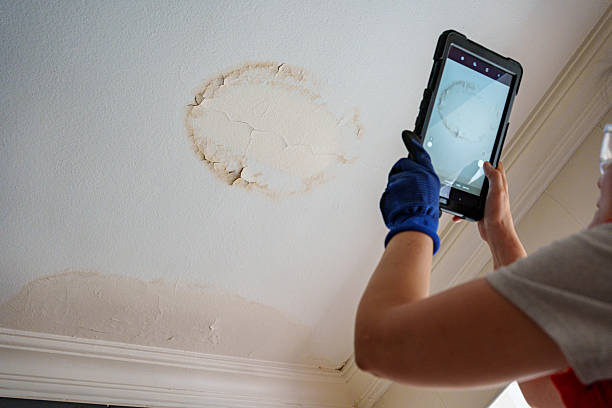
The other practical difference: in an apartment, a small leak is rarely just your problem. A failed flexi hose under a sink in unit 4B can flood three units below before anyone notices. A blocked common waste stack means every unit on that line stops draining. We approach apartment plumbing with that context in mind from the first phone call.
The five issues we see most in Bondi apartments
If you took every Norton Plumbing callout in Bondi apartments over the last twelve months, almost all would fit one of these five buckets:
- Aging galvanised steel and cast iron risers. Most pre-1985 Bondi apartment blocks were built with galvanised water risers and cast iron sewer stacks. By their fifth decade, internal corrosion has narrowed the pipe diameter, restricted water flow, and produced the recurring leaks that appear in different units across a riser line. Generally, we CCTV the stacks, present the body corporate with a condition report, and where it makes sense we reline rather than excavate behind tiled bathrooms.
- Pinhole leaks in copper supply lines. Bondi sits within a kilometre of the ocean for most properties. Salt air and slightly acidic Sydney water progressively thin copper from the outside in. By 30-40 years the first pinhole leaks appear, often in the cavity wall between an apartment and the common hallway, where a tenant notices a damp patch long before the source is visible. Acoustic and thermal detection lets us pinpoint the spot without opening the whole wall.
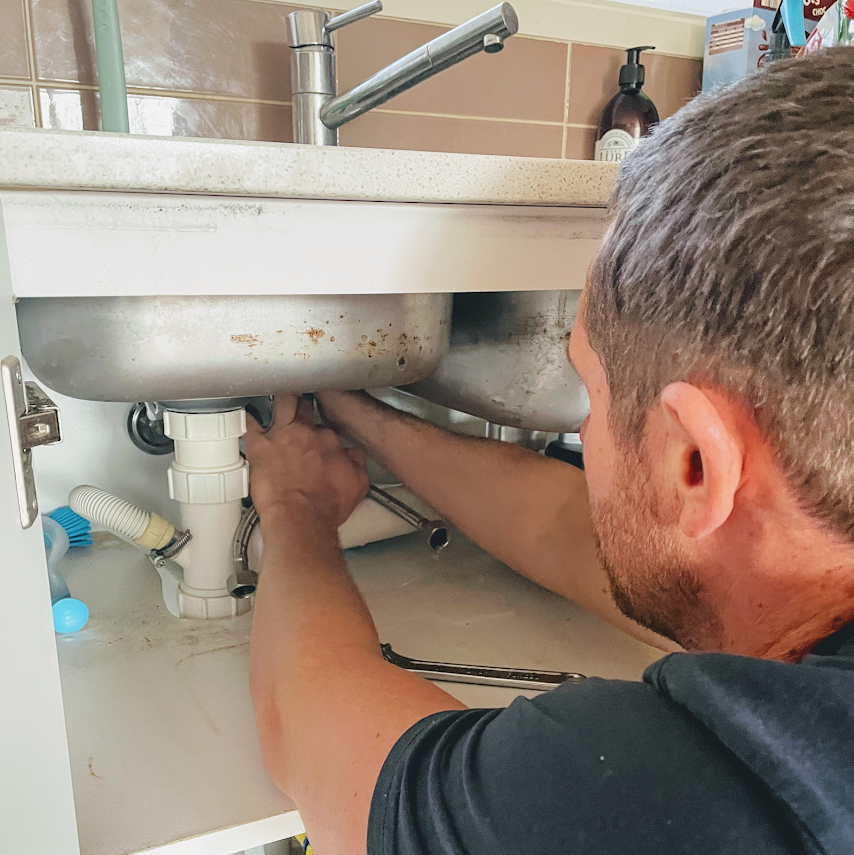
- Failed flexi hoses under sinks and basins. Across all of Australia, flexi hoses account for around 20% of all household water damage claims, with an average claim cost of $27,500 according to the Insurance Council of Australia. In a Bondi apartment, the consequence multiplies: a hose failure on a high floor can damage every unit below it. Flexi hoses have an 8-10 year life. If yours haven't been changed and the apartment is over a decade old, they're a planned-replacement job, not a wait-and-see one.
- Centralised hot water plant problems. Many older Bondi apartment blocks share one big hot water plant in the basement, feeding every unit through a recirculating loop. When something goes wrong, the symptom shows up in lots of units at once: lukewarm water, long wait times at the tap, or the whole building going cold. We service these plants, replace tempering valves, and where the plant has reached end-of-life we work with the strata committee on a staged replacement plan.
- Holiday-rental wear on fixtures and toilet cisterns. Bondi has a high concentration of short-term rentals. Tenants who don't own the place use the plumbing harder than long-term residents and report problems later. The common pattern is a constantly-running toilet, a dripping mixer cartridge, or a flexi hose that has been weeping for weeks. The fix is usually small. The water bill saved is usually significant.
If any of those describe your Bondi apartment, call Norton Plumbing on 0477 858 951 or read our service pages on strata plumbing, leak detection, and hot water systems.
Common property vs lot: knowing where the line is
This is the question that decides who pays. NSW strata law (overseen by NSW Fair Trading) draws the line at the boundary of your lot, which is usually the inside face of the wall around your apartment. Pipes inside that line are typically lot-owner responsibility. Pipes inside the common walls or running between units, including the risers and the stacks they feed, are typically common property and therefore body corporate responsibility.
But there are exceptions. Pipes that exclusively serve one lot (a connecting line from a riser to your taps, for example) often fall to the lot owner even when they sit inside a common wall. Some buildings have specific by-laws that vary the default. The strata plan and any bylaws are the source of truth. Norton Plumbing answers the boundary question on-site for the practical job at hand, and where it's genuinely ambiguous, we provide the photos and notes you need to settle it with your strata manager.
Holiday rentals and Bondi apartments: why they break differently
If you own a Bondi apartment that's let short-term, the plumbing wear pattern looks different from an owner-occupied unit. Tenants don't notice slow leaks because they're only there for a long weekend. Cisterns run for weeks before anyone files a maintenance request. Flexi hoses fail catastrophically because nobody checks the date stamp. We see the same five issues from the list above, but later in their failure curve, with bigger water-damage consequences when they finally go.
An annual plumbing check before peak season catches almost all of these for a fraction of the cost of a single insurance claim. Norton Plumbing offers this as a standalone service for individual investor-owners, and as part of strata maintenance agreements at the building level.
When to call Norton Plumbing vs when to call your strata manager
Call us first if it's an active emergency: water visible inside your unit, a burst pipe, a gas smell, sewage backing up, or a hot water failure. Stopping the damage is the priority and the responsibility question can be sorted afterwards. Phone: 0477 858 951, available 24/7.
Call your strata manager first if the issue is in common areas (hallway leaks, basement plumbing, rooftop hot water plant), if multiple units are affected, or if the issue is non-urgent and clearly on the common property side of the line. Your strata manager will then engage a plumber, often us, to attend. Either way, we provide written reports and photographic evidence so the body corporate has what it needs to allocate costs correctly.
How to reach Norton Plumbing
Norton Plumbing operates from 10/11a-15 Berwick Street, Coogee NSW 2034. Phone: 0477 858 951. We are available 24/7 for emergencies, and during business hours there is no callout fee. Adam Norton holds NSW plumbing licence 397768C and is the primary on-site technician. For Bondi apartments specifically, our Bondi suburb page covers the standard service scope, and our strata plumbing page walks through annual maintenance agreements.
Frequently asked
Common questions
- If a Bondi apartment leak is active, should I call a plumber or my strata manager first?
- Call a plumber first when water is actively coming into your unit. Stopping the damage is the priority and the lot-vs-common-property question can be sorted afterwards. A plumber attends, isolates the source, and provides photos and a written assessment that the body corporate or strata manager can use to allocate costs. Calling strata first risks delays while the building manager finds a contractor, during which a small leak becomes a multi-unit insurance claim.
- What kind of riser pipework is typical in Bondi apartment blocks built before 1985?
- Galvanised steel water risers and cast iron sewer stacks are the standard for Bondi blocks of that era. By their fifth decade, internal corrosion has narrowed the pipe diameter, restricted water flow, and produced recurring leaks across multiple units on the same riser line. CCTV inspection of the stacks plus a body-corporate condition report is usually the right starting point. Where the riser is still structurally sound, no-dig relining can avoid having to excavate behind tiled bathrooms across multiple units.
- What is the most common plumbing issue in Bondi apartments?
- Aging risers in pre-1985 buildings, followed by pinhole leaks in copper supply lines from coastal salt-air corrosion, failed flexi hoses under sinks (the single biggest cause of insurance claims in Australia), centralised hot water plant problems in older blocks, and holiday-rental wear on fixtures and toilet cisterns.
- Who pays for plumbing in a Bondi apartment - the owner or the body corporate?
- It depends on whether the problem sits in common property or in your lot. Risers, common stacks, common stormwater, and the central hot water plant are typically body corporate responsibility under NSW strata law. Pipes inside your unit boundary, your taps, your toilet cistern, and your in-lot fittings are typically the lot owner's responsibility. By-laws can vary the default. A plumber's on-site assessment, with photos, is usually what settles the boundary in practice.
Related service
Strata Plumbing
Strata plumbing in Eastern Suburbs Sydney - annual maintenance, riser inspections, emergency callouts. Experienced with 1960s-80s buildings.
See our strata plumbing pageNeed a plumber in the Eastern Suburbs?
Call 0477 858 951Keep reading