Emergency · 4 min read
Plumbing emergency: the first 60 seconds
Water going where it shouldn't? Here is the order of steps to take right now - shutting off the supply, protecting the property, and what to tell a plumber when you call.
Adam Norton · 18 June 2026
Water going where it shouldn't is one of the most stressful things that happens at home. Your first decision - in the next sixty seconds - determines how much damage follows. Here is the order of steps.
Step 1: turn off the water at the nearest isolation valve
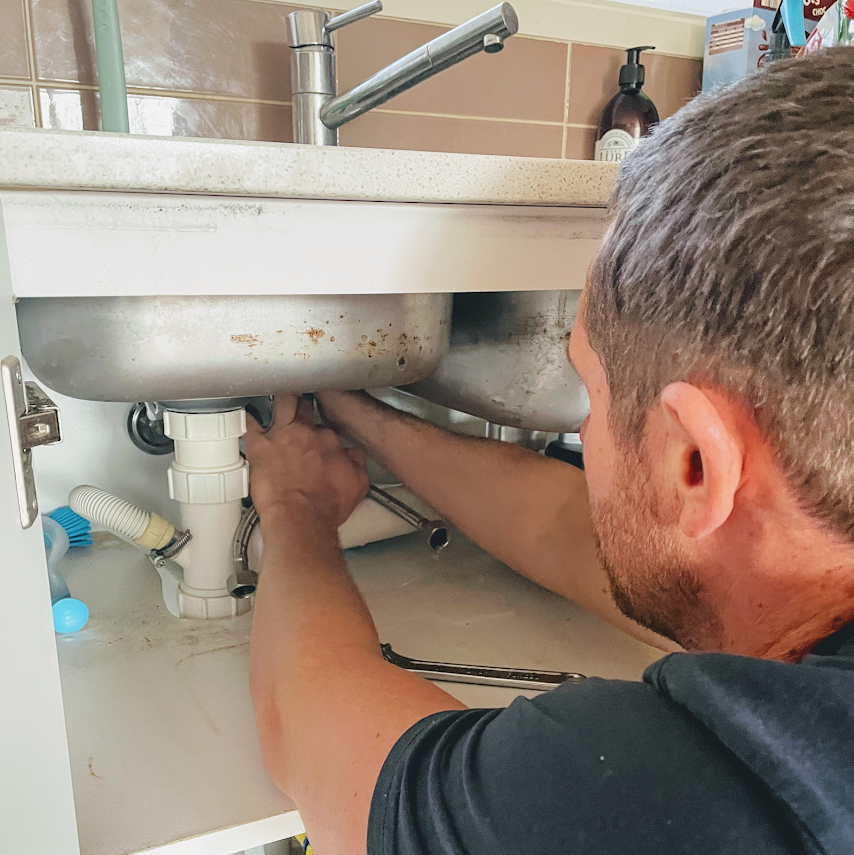
Every sink, basin, and toilet in a modern Australian home has an isolation valve directly underneath or behind it - usually a small lever or tap you turn a quarter turn until it stops. For a burst flexi hose under a kitchen sink or bathroom basin, this is the first thing to reach for.
If the isolation valve is not accessible or does not stop the flow, go straight to the main shutoff. In most Sydney homes it sits near the water meter - usually at the front of the property in a small meter box, or inside the building near where the water main enters. Sydney Water recommends knowing where your meter shutoff is before you need it. Turn it fully clockwise to close.
What to do if it is a burst flexi hose
Flexi hoses - the braided metal hoses connecting taps, basins, and toilets to the supply line - are the single biggest cause of water damage claims in Australian homes. The Insurance Council of Australia found they account for around 20% of all household water damage claims, with an average claim cost of $27,500. Once a flexi hose fails it will not stop on its own. Reach the isolation valve under the fixture, turn it off, then mop up and photograph the damage for insurance before cleaning up.
Do not restore water pressure to that fixture until the hose has been replaced. A hose that has failed under pressure will fail again the same way.
What to do if the burst is inside a wall or ceiling
A bulging ceiling, a fast-growing damp patch, or water running down an internal wall means the break is somewhere out of reach. Turn off the main shutoff at the meter. Then open a few taps around the house to release pressure already in the system and reduce how much water continues to move through the break.
If you hear water still running after the main is off, it may be coming from the hot water tank. There is a separate cold water inlet shutoff on the hot water unit itself - usually a lever or tap on the pipe feeding into the top or side of the system. Closing it stops the tank from continuing to push water through the break.
Once the flow has stopped, photograph everything for your insurance claim - wet areas, the source if visible, any damaged property - before you start cleaning up.
Gas leaks: a completely different process
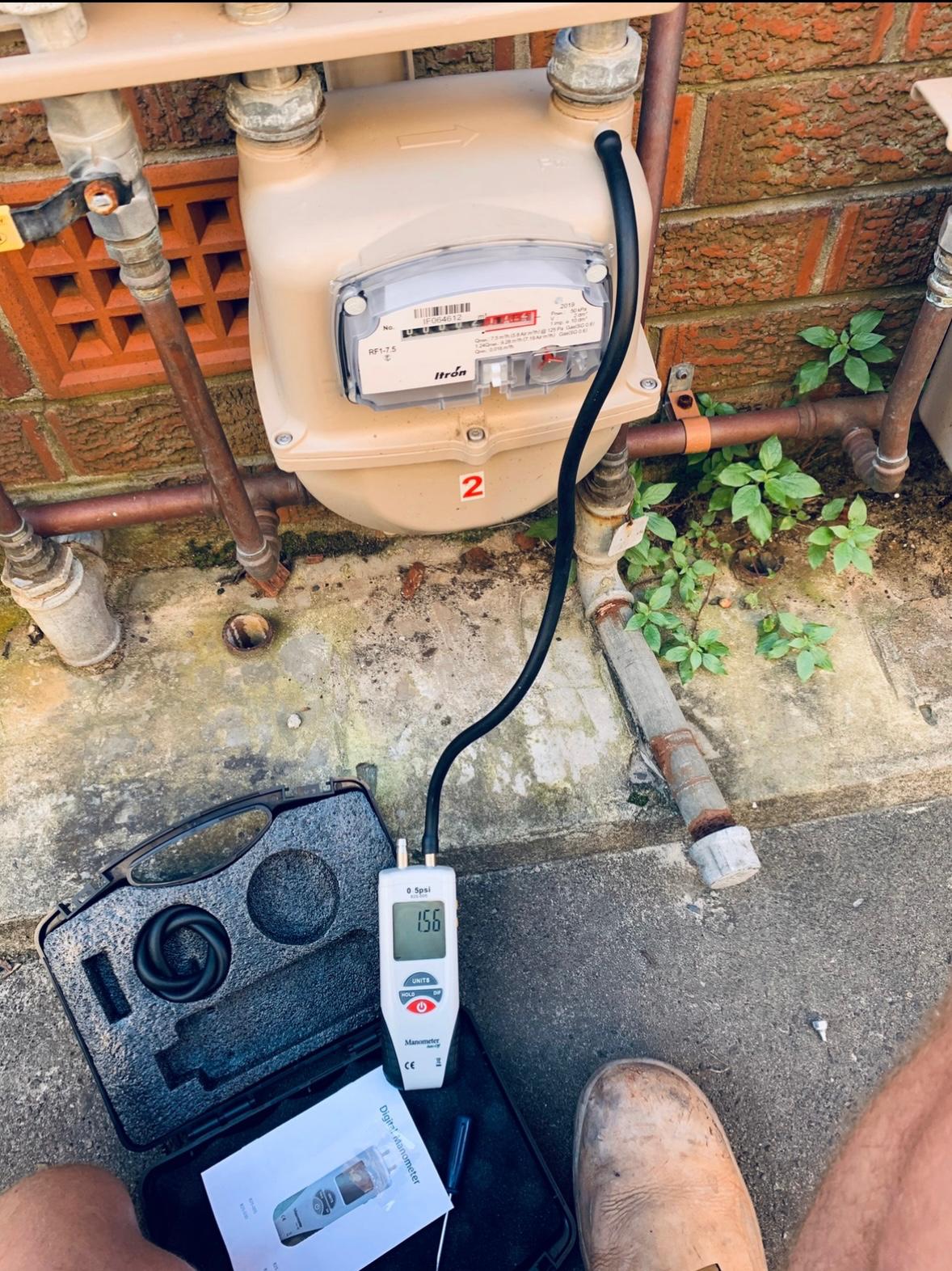
A gas smell is not a water emergency and the steps above do not apply. Leave the building immediately without using light switches, appliances, or your mobile phone inside. Turn off the gas at the meter outside if it is safe and accessible. Call 000 if there is immediate danger. For a gas network emergency, call your gas provider's 24/7 emergency line. Do not re-enter until the network provider has attended and declared it safe.
What to tell Norton Plumbing when you call
Once the water is off and the immediate risk is contained, call 0477 858 951. It helps to know: whether the water is fully off or still flowing, where the damage is (under a sink, ceiling, wall), whether it is a hot or cold water line, and whether it started suddenly or had been slow for a while. Having this ready means Norton Plumbing can arrive with the right parts and go straight to the repair.
How to reach Norton Plumbing
Norton Plumbing has been covering plumbing emergencies across Sydney's Eastern Suburbs since 2019. Adam Norton is the primary technician and holds NSW plumbing licence 397768C. Phone: 0477 858 951, available 24/7. We are based at 10/11a-15 Berwick Street, Coogee NSW 2034. During business hours there is no callout fee. For what an emergency call involves, see our emergency plumber page.
Frequently asked
Common questions
- Where is the main water shutoff in a Sydney home?
- In most Sydney homes it is at the water meter, usually in a small meter box at the front of the property near the street, or where the water main enters the building. There may also be a secondary ball valve inside near the laundry or kitchen. If you have never located yours, find it now before you need it.
- What is the fastest way to stop a burst flexi hose?
- Turn the isolation valve directly underneath the tap, basin, or toilet the flexi hose connects to - a quarter-turn lever that stops the flow to just that fixture without cutting water to the whole house. If there is no isolation valve or you cannot reach it in time, go to the main shutoff at the meter.
- Can I turn the water back on after stopping the leak?
- Not until the failed part has been replaced or properly repaired. A burst flexi hose needs a new hose before pressure is restored. A burst pipe needs to be repaired or bypassed. Restoring pressure to a failed fitting will cause it to fail the same way again.
- Does home insurance cover burst pipe damage in Australia?
- Most standard Australian home insurance policies cover sudden and accidental water damage from a burst pipe or flexi hose. Gradual leaks and damage that built up over time are commonly excluded. Photograph the damage before cleaning up or making repairs - insurers need evidence of the event, not just the result.
- Is a gas leak handled the same way as a burst pipe?
- No. A gas smell means leaving the building immediately without using any switches or appliances inside. Turn off the gas at the external meter if it is safe to do so, then call 000 or your gas provider's emergency line. Gas emergencies are handled by the network provider, not a plumber, and you should not re-enter until they clear it.
Related service
Emergency Plumbing
24/7 emergency plumber in Eastern Suburbs Sydney - we're there when you need us most
See our emergency plumbing pageNeed a plumber in the Eastern Suburbs?
Call 0477 858 951Keep reading