Drainage · 6 min read
Prevent blocked drains: Eastern Suburbs
What actually blocks drains in Sydney homes, what you should never flush, and the simple habits that keep your pipes clear.
Adam Norton · 18 June 2026
Most of the blocked drains we get called to in Sydney's Eastern Suburbs are preventable. Not all of them: tree roots and collapsed old pipes are a separate problem. But the everyday ones, the slow sink, the toilet that backs up, the gurgling shower, usually come down to what went down the drain in the first place. Get a few habits right and you avoid most blockages, and most call-outs, entirely.
The single biggest culprit in Sydney is the wet wipe. Sydney Water runs an ongoing public campaign about it, because wipes are behind a large share of household wastewater blockages across the network, including the ones labelled flushable. They do not break down the way toilet paper does. They snag, gather grease, and build into a blockage that grows with every flush.
What your toilet is built for: the 3 Ps
Sydney Water sums the rule up in three words. A toilet is designed for the 3 Ps and nothing else:
- Pee
- Poo
- Paper (toilet paper only)
Toilet paper is made to disintegrate in water within seconds. Almost everything else people flush is not, no matter what the packet says.
What not to flush down the toilet
These are the items we pull out of Eastern Suburbs drains most often. None of them belong in a toilet, regardless of the label:
- Wet wipes and baby wipes, including any sold as flushable. They do not break down in time.
- Sanitary products, tampons, and their wrappers.
- Cotton buds, cotton pads, and makeup wipes.
- Nappies and nappy liners.
- Dental floss. It is thin, but it tangles around everything else and binds a blockage together.
- Paper towel and tissues. They are built to stay strong when wet, the opposite of toilet paper.
- Hair, in any quantity.
- Plastic rim blocks and clip-on toilet fresheners. They fall off the rim more often than people think and wedge in the first bend.
- Old medication. It harms the waterways and does not dissolve cleanly. Return it to a pharmacy instead.
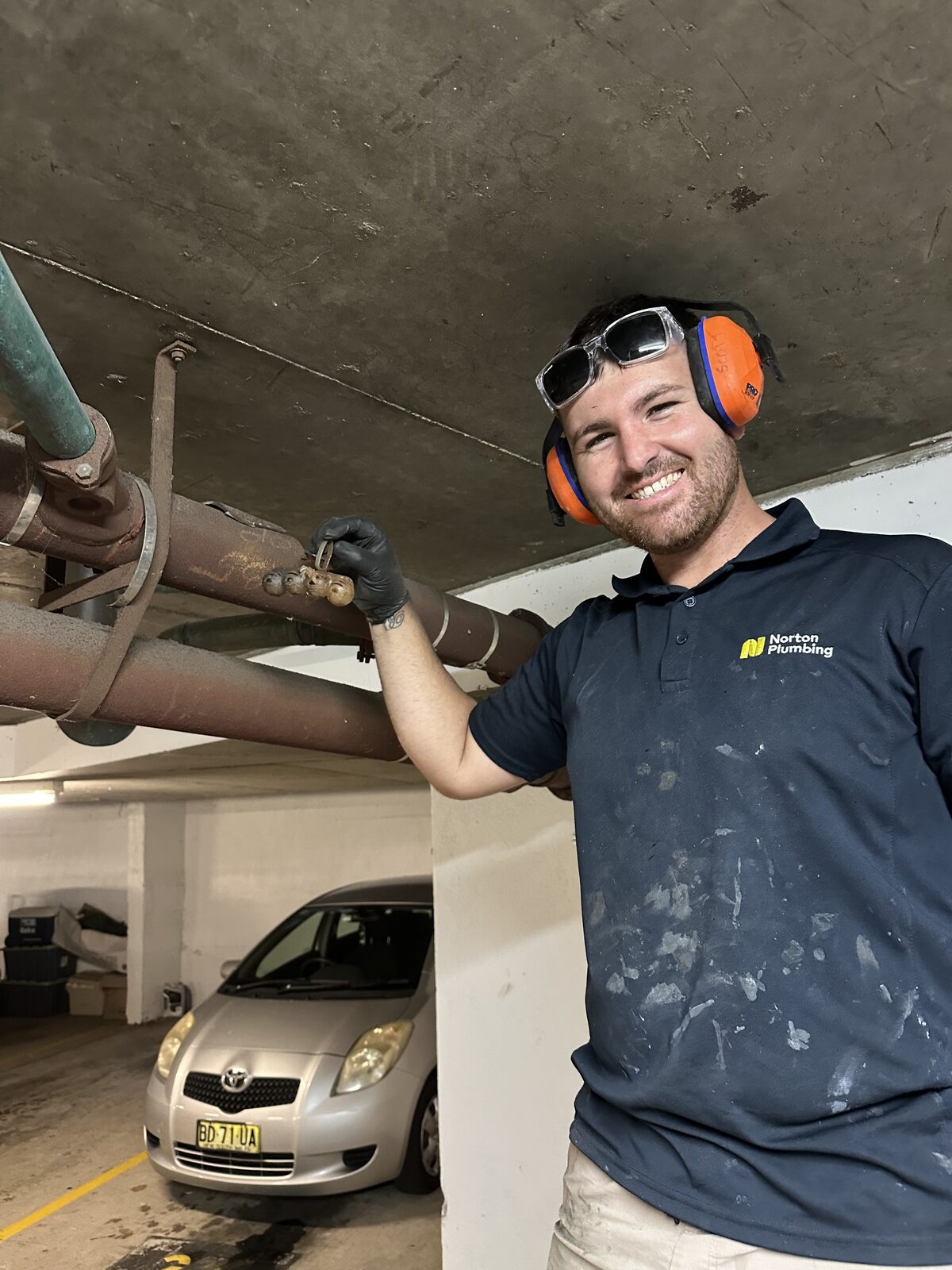
One culprit we see more than people expect is the clip-on toilet rim freshener. The plastic clip works loose, drops off the rim, and lodges at the first bend in the pipe, where every flush then piles wipes and paper onto it. On a Coogee job, a recurring apartment blockage that had beaten two previous plumbers turned out to be exactly this: our CCTV camera found the freshener wedged in the stack a few metres in. We pulled it out, flushed the line, and ran the camera back through to confirm it was clear. The full story is in our article on why blocked drains keep coming back. If your clip-on freshener is worn or wobbly, replace it. If one ever goes missing from the rim, do not flush until you have found it.
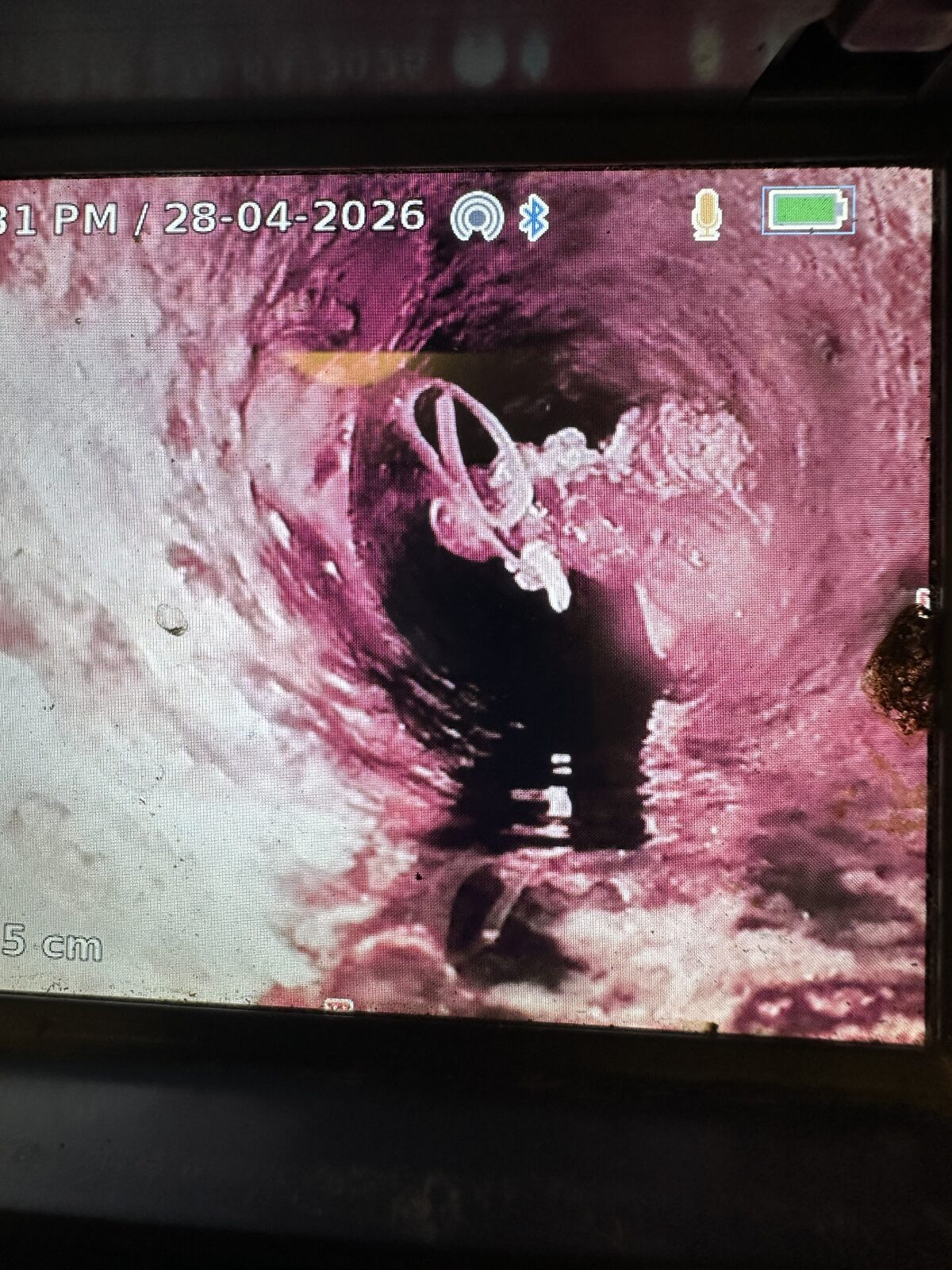
A bin next to the toilet solves most of this. If it cannot be peed, pooed, or is not toilet paper, it goes in the bin.
The kitchen sink: grease is the silent one
Kitchen blockages are among the most common call-outs we get, and grease causes most of them. Hot fat and oil go down the drain as a liquid, then cool and harden against the inside of the pipe. Each time, the opening gets a little smaller, until one day the sink stops draining and it looks sudden. It had been building for months.
- Fats, oils, and cooking grease. Let them cool, then put them in the bin. Wipe greasy pans with paper towel before washing.
- Coffee grounds. They clump and sink rather than flushing through.
- Rice, pasta, and flour. They swell with water and turn to paste.
- Food scraps and peelings. A sink strainer catches them.
Running hot water while you rinse helps a little, but it will not undo grease that has already set further down the line.
Bathroom and laundry: hair, soap, and sand
In the bathroom, hair and soap scum are the usual pair. Hair catches on anything in the pipe, soap residue binds it, and the two build a mat that slows the drain. A cheap strainer over the shower and basin waste catches the hair before it gets in.
There is also a local one worth mentioning. We are a coastal area, and beach sand off wetsuits, towels, and boardshorts ends up in laundry tubs and outdoor drains across the Eastern Suburbs. Sand is heavy. It settles in the low points of a pipe and does not move on with normal flow. Rinse beach gear outside, or knock the sand off, before it goes near a drain.
Simple habits that keep drains clear
None of this is hard. A few small habits prevent the large majority of blockages:
- Put a strainer over every kitchen, shower, and basin waste, and empty it into the bin.
- Keep a bin beside every toilet so wipes and sanitary items never get flushed.
- Cool and bin fats and oils. Never pour them down the sink.
- Wipe greasy plates and pans before they go in the sink.
- Rinse beach gear and sandy items outside, away from drains.
We do not recommend supermarket caustic drain cleaners as a routine fix. They can damage older pipes and corrode fittings, which is a real concern in the area's many pre-1980 homes, and they rarely clear a true blockage. They just thin the top of it.
When prevention is not enough
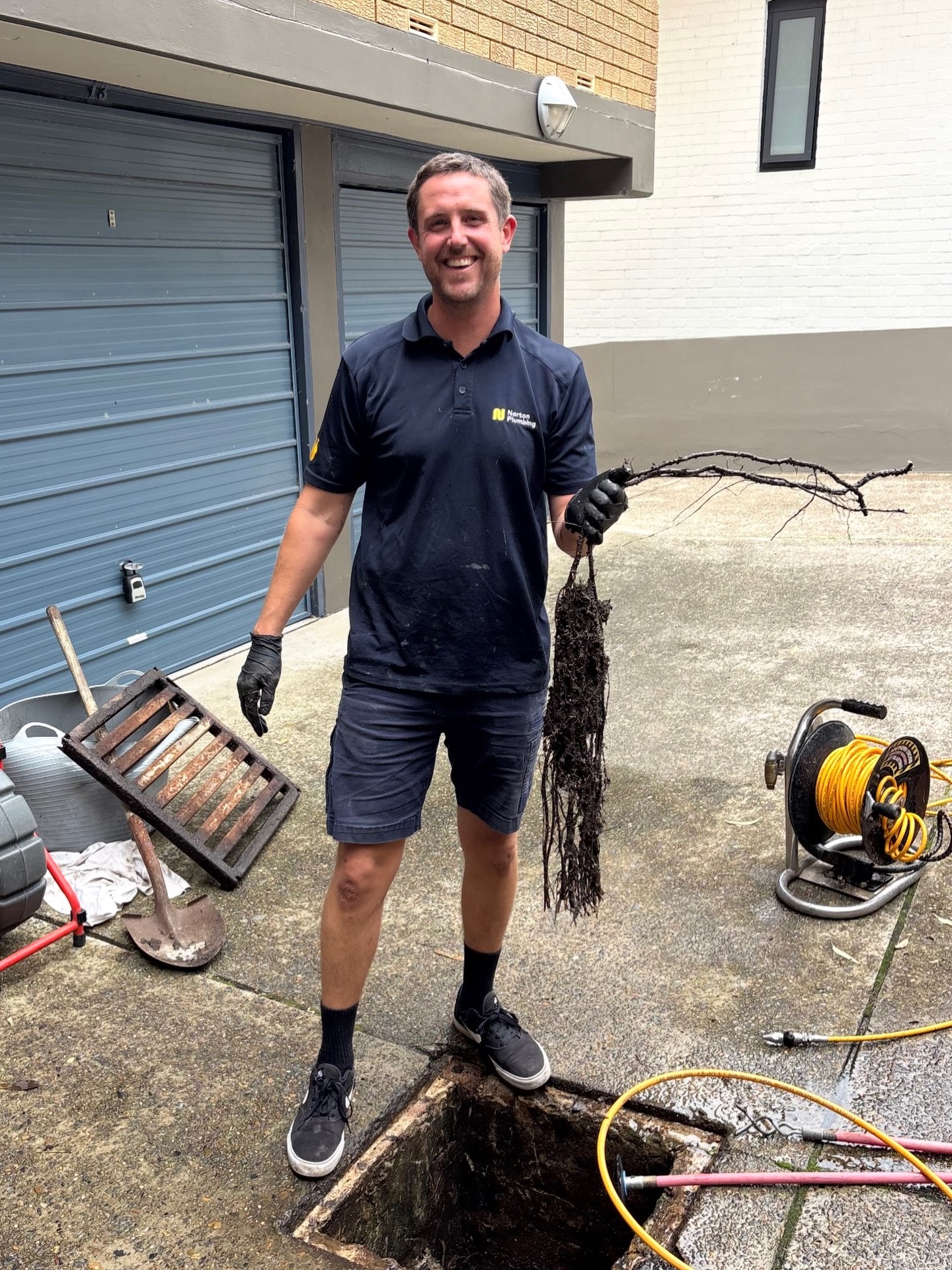
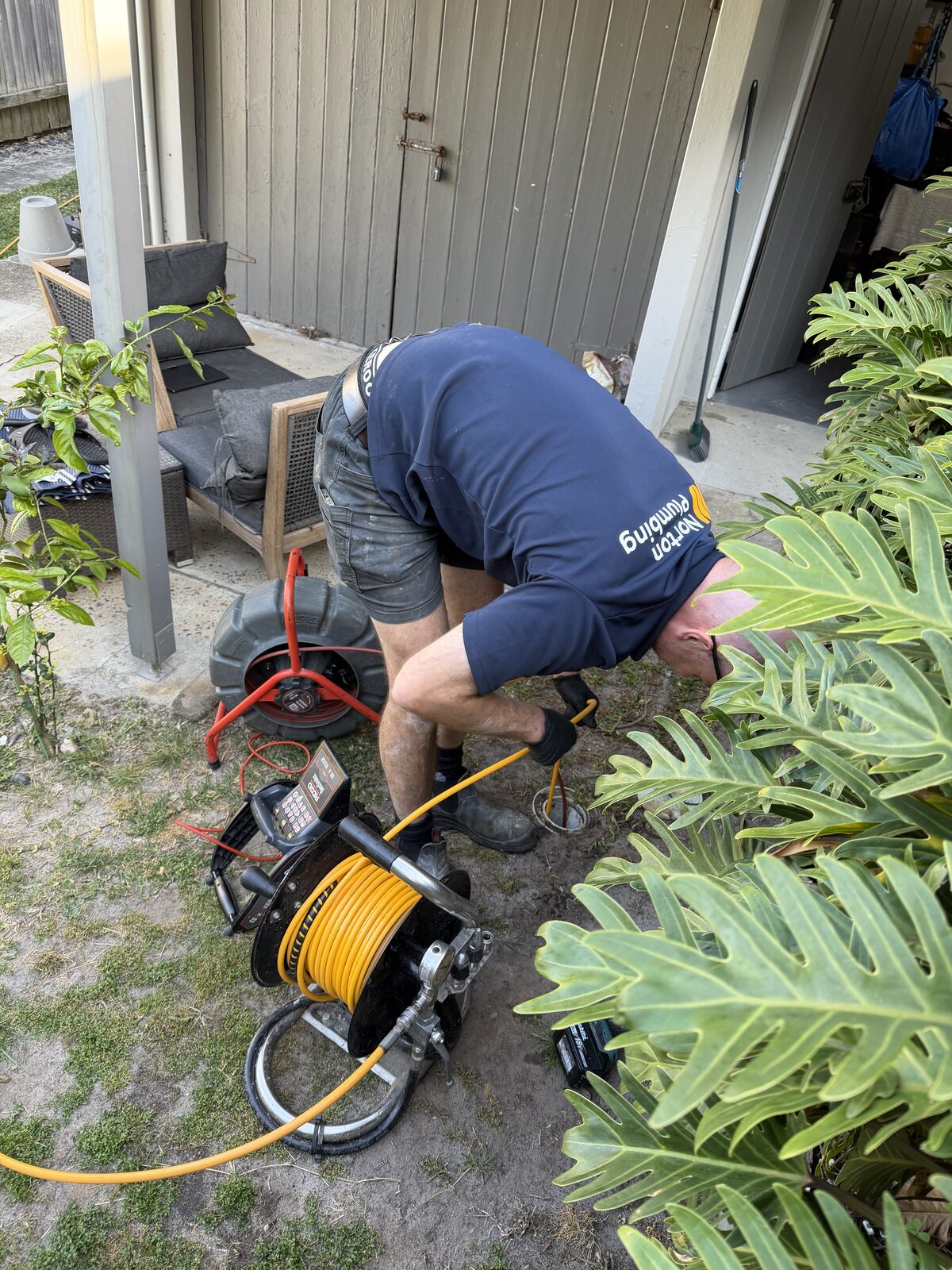
If a drain keeps blocking in the same spot despite good habits, the cause is no longer in the bowl or the sink. It is in the pipe itself: tree roots through a cracked joint, a section with too little fall, or an old terracotta line that has shifted. That is common in Eastern Suburbs homes built before drainage moved to PVC. At that point the fix is a proper diagnosis, not another plunge. A CCTV camera run through the line shows exactly what the problem is and where. We cover that in our article on why blocked drains keep coming back, and on our blocked drains service page.
How to reach Norton Plumbing
Norton Plumbing is a family-run plumbing business that has worked across Sydney's Eastern Suburbs since 2019, covering Coogee, Randwick, Maroubra, Bondi, and the surrounding suburbs. Adam Norton is the primary technician and holds NSW plumbing licence 397768C. If a drain is blocked, slow, or keeps coming back, call Adam on 0477 858 951. For the underlying causes of repeat blockages, see our blocked drains service page and our article on recurring blocked drains.
Frequently asked
Common questions
- Are flushable wipes actually safe to flush?
- No. Despite the label, flushable wipes do not break down like toilet paper, and they are a leading cause of household drain blockages in Sydney. Sydney Water advises binning all wipes, including ones marked flushable. The only paper that should go down a toilet is toilet paper.
- What is the 3 Ps rule?
- It is Sydney Water's simple guide to what a toilet is built for: pee, poo, and toilet paper, and nothing else. If an item is none of those three, it belongs in the bin, not the toilet. Following it prevents most avoidable toilet and sewer blockages.
- Can I pour boiling water down a greasy kitchen drain to clear it?
- Boiling water can soften fresh grease near the top of the drain, but it will not clear grease that has already hardened deeper in the pipe. It often just moves the problem along. The reliable fix is keeping fats and oils out of the sink in the first place.
- Why does my drain keep blocking even though I am careful?
- If a drain blocks repeatedly in the same place despite good habits, the cause is usually a fixed defect in the pipe: tree roots at a cracked joint, a section with too little fall, or a shifted old pipe. A CCTV inspection identifies which, so the line can be fixed properly rather than cleared again and again.
- Does beach sand cause blocked drains in the Eastern Suburbs?
- It does, more than most people realise. Fine sand from Coogee, Bondi, Maroubra and other beaches nearby passes through a shower trap easily but settles in the horizontal pipe run behind it. Over time, mixed with hair and soap scum, it builds into a dense layer that slows or stops the drain. The practical fix is rinsing off outside before coming in, or at least shaking sand from towels, wetsuits, and boardshorts away from any indoor drain. If your bathroom drains slow noticeably in summer, sand buildup is a common reason.
Related service
Blocked Drains
Fast, professional blocked drain clearing in Eastern Suburbs Sydney
See our blocked drains pageNeed a plumber in the Eastern Suburbs?
Call 0477 858 951Keep reading