Seasonal · 5 min read
Why hot water systems fail in winter
It has been a heavy fortnight for hot water in the Eastern Suburbs. Here is why systems fail when the cold sets in, and the warning signs worth acting on early.
Adam Norton · 2 July 2026
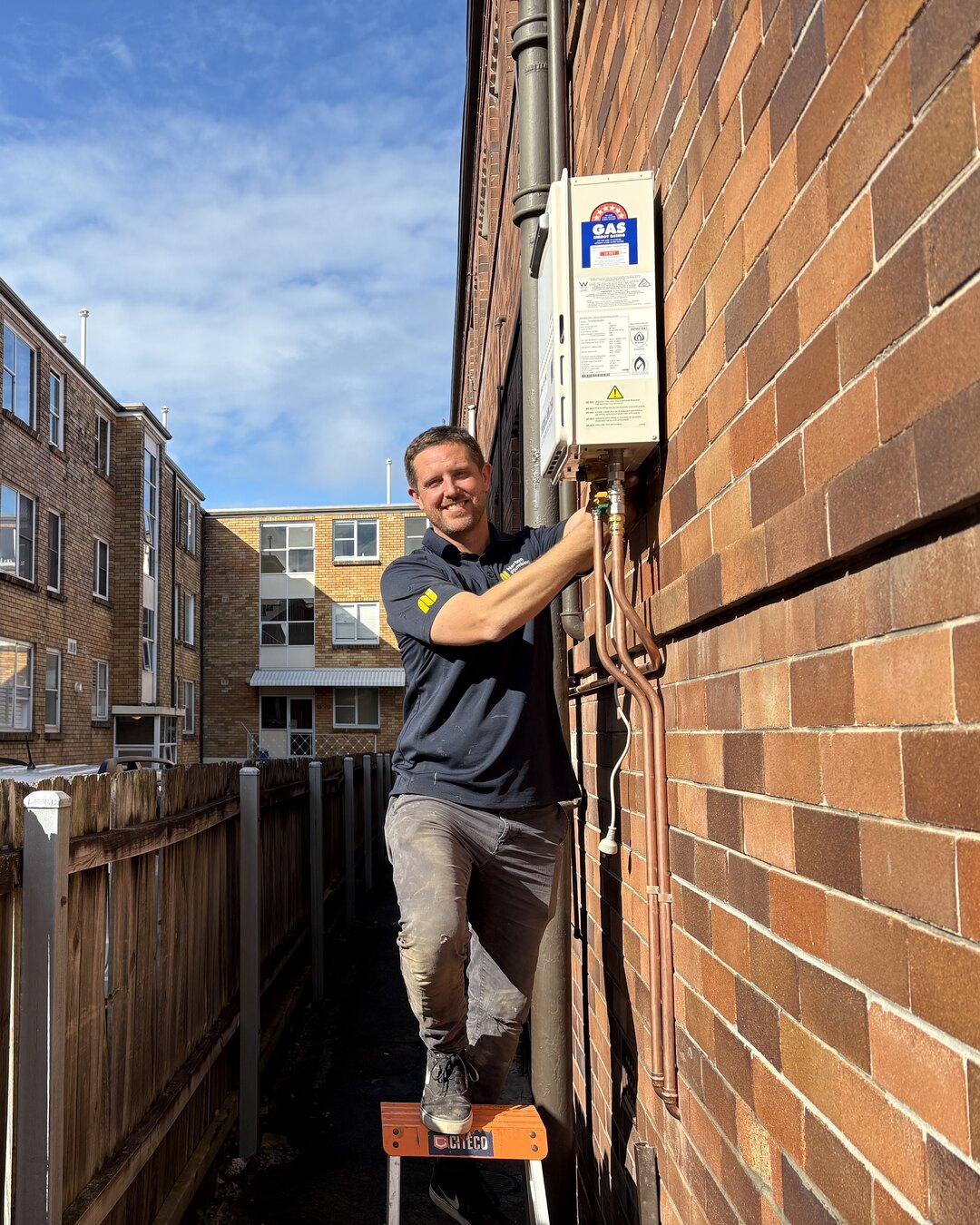
It has been a heavy fortnight for hot water in the Eastern Suburbs. We have been out to one failed hot water system after another, from cold showers in Coogee and Clovelly to leaking tanks in Maroubra and Randwick. The short answer to why: hot water systems fail in winter because colder incoming water and higher demand force them to work harder, which exposes the worn parts that were already close to the end. It is not bad luck, it happens every winter, and the warning signs are usually there before your system goes cold.
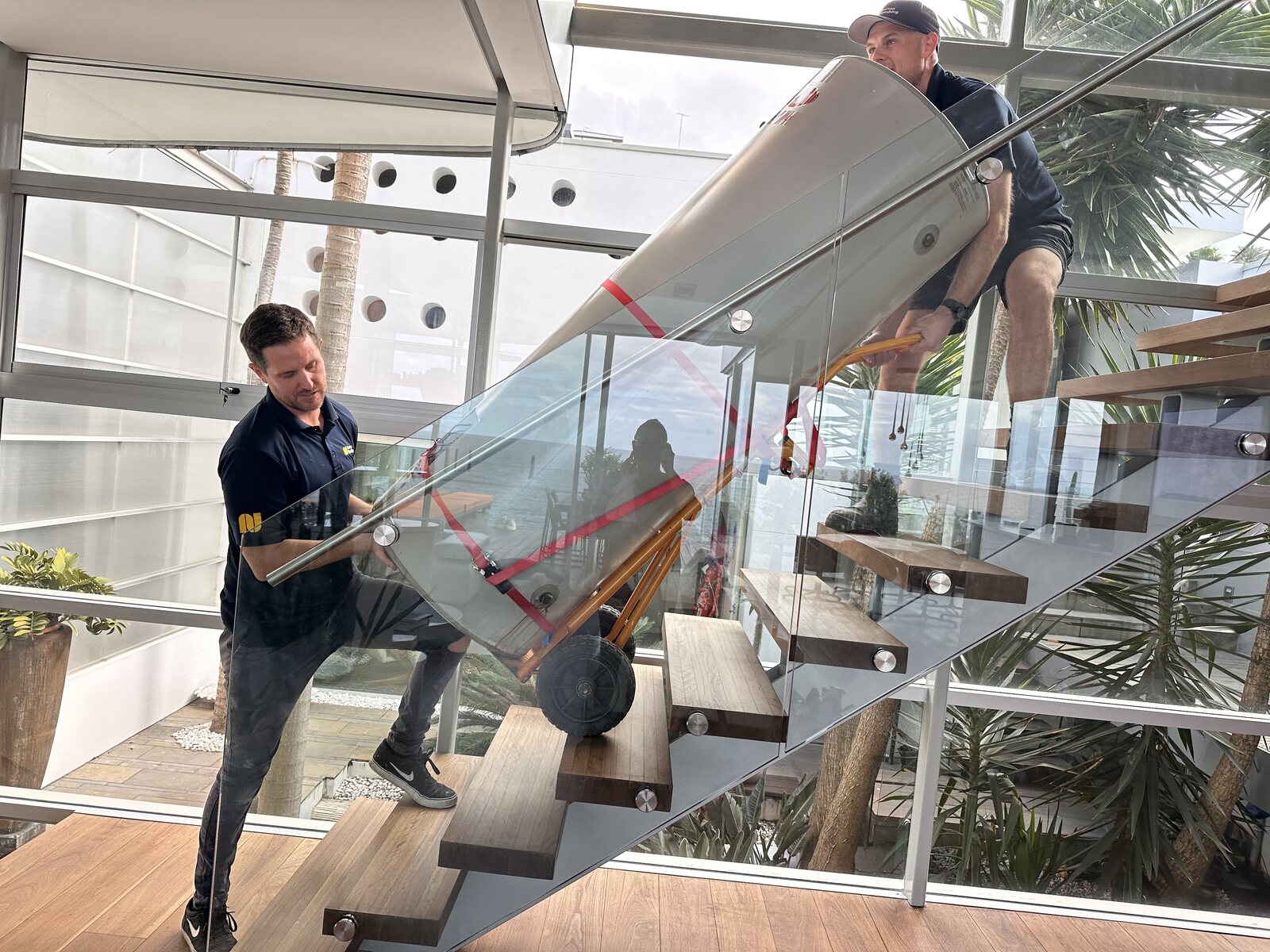
Why winter is peak season for hot water failures
The water coming into your home is much colder in winter. Your system has to lift that water through a far bigger temperature gap to reach the same setting, so it runs longer and works harder for every shower and every sink of hot water. A system that coped through summer suddenly has to do more, day after day.
Demand climbs at the same time. Longer, hotter showers and more hot water in the kitchen mean the tank is constantly reheating with little time to recover. More cycles, more strain. That extra load does not create faults out of nowhere. It exposes the ones that were already there. Elements, thermostats, anodes and tanks that were quietly on the way out get pushed over the edge on the first cold snap.
The faults we see most when the temperature drops
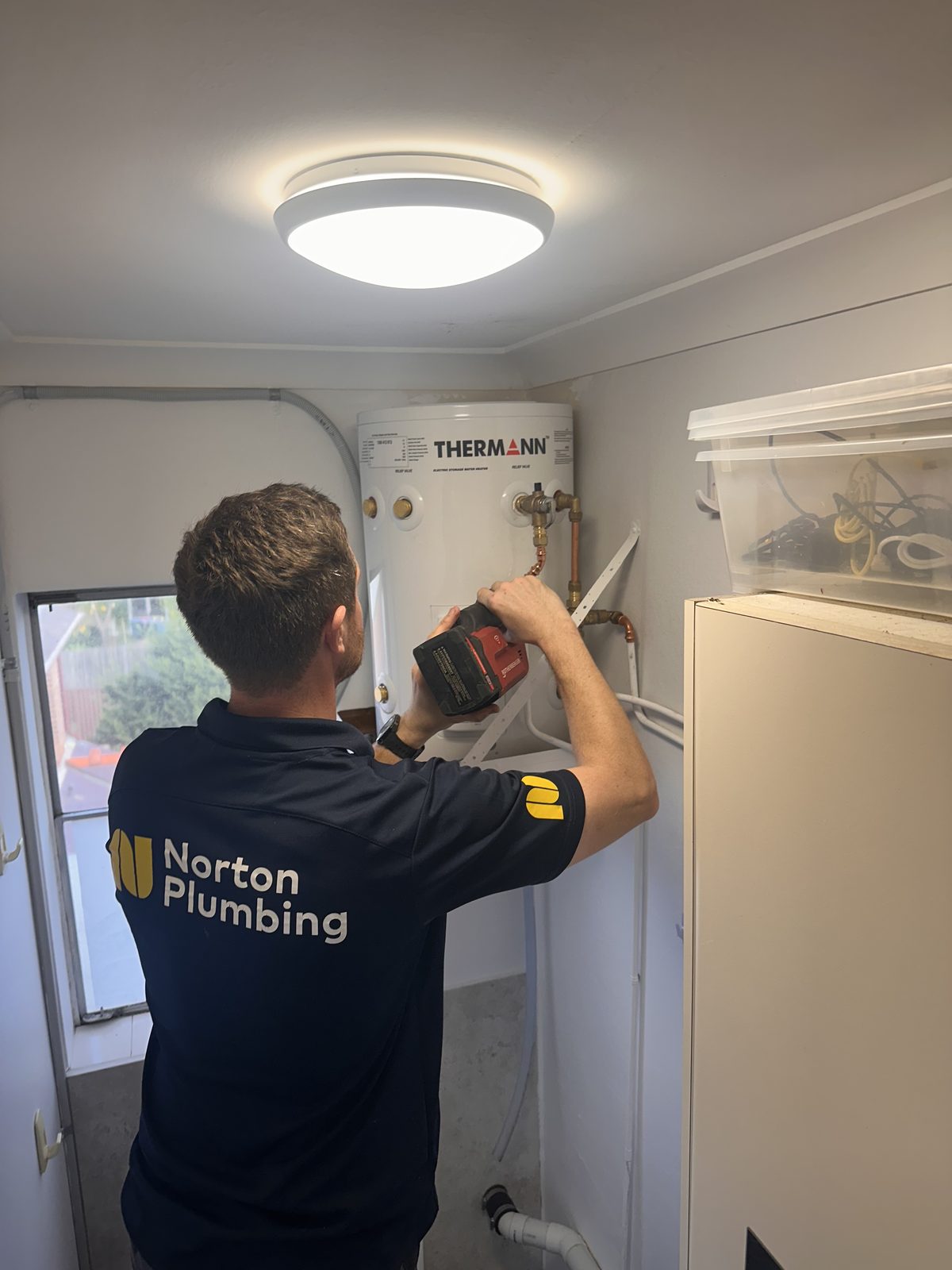
On electric storage systems, a worn heating element or a failing thermostat is the most common culprit. You get lukewarm water, or none at all. The element is working harder to keep up in winter, so a tired one gives out.
Inside every tank system is a sacrificial anode that corrodes in place of the steel tank. Once it is spent, the tank starts to go. Sediment builds up on the bottom at the same time, which you often hear as a popping or rumbling noise. Both shorten the life of the tank, and both show up under winter load. In coastal suburbs the salt air speeds this along, which is why a Coogee or Maroubra system can age faster than the brochure suggests.
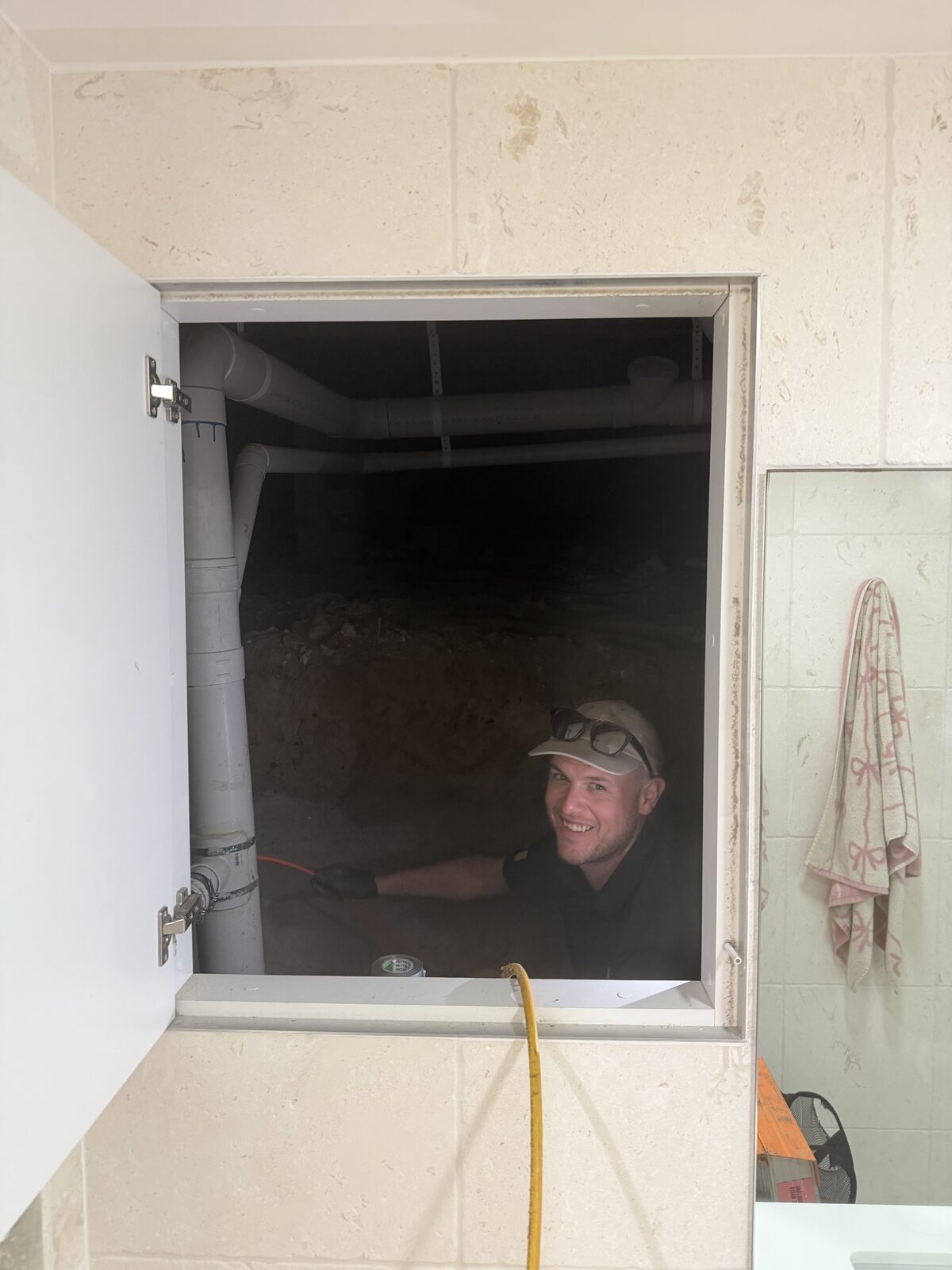
The oldest units simply reach the end. When the inner cylinder corrodes through, the tank leaks and water pools at the base. There is no lasting patch for that, so a leaking tank almost always means replacement. If you find water pooling, it is worth checking the ground and pipework too, not just the unit, because a hidden leak can sit alongside a failing system and quietly soak a wall for months.
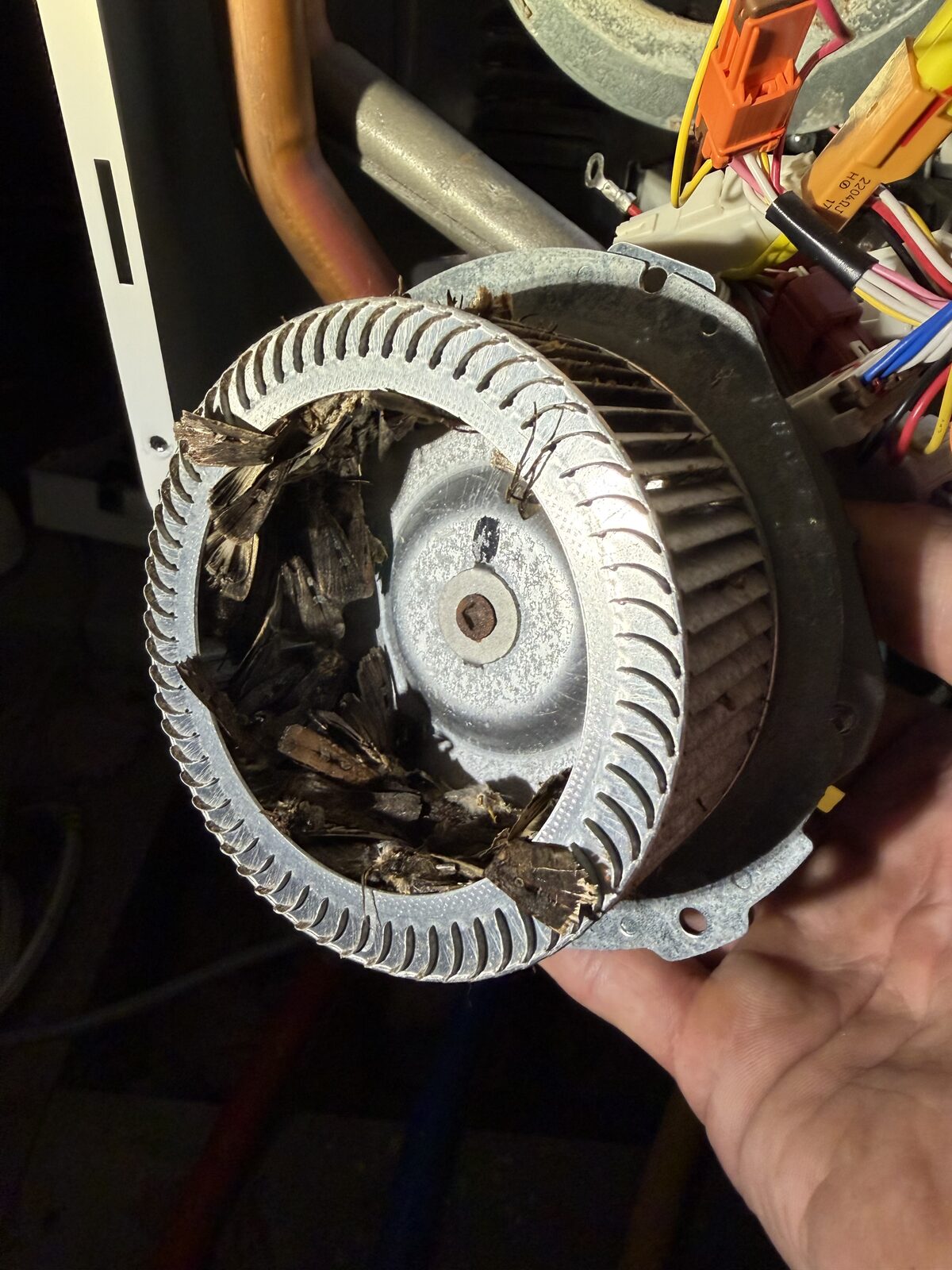
On gas systems, a pilot light that will not stay lit or a struggling burner is common when the unit is older or exposed to the weather. Gas work is not DIY. That is one to leave to a licensed gasfitter.
The warning signs worth acting on early
Watch for water running lukewarm, taking longer to heat than it used to, rusty or discoloured hot water, popping or rumbling from the tank, water pooling around the base, or the relief valve dripping constantly. Any one of these is your system telling you it is struggling. Caught early, several are a straightforward repair. Left alone, they tend to fail completely on the coldest morning, when everyone else's is failing too and units are in short supply.
Repair or replace your hot water system
The honest answer depends on the age and the fault. Under about 8 years, a repair such as a new element, thermostat or anode is usually worth it. Over 10 years, especially with a leaking tank, a replacement is generally the better spend: a newer, more efficient unit and no repeated call-outs. We repair and replace every major brand, and our preferred units are Rheem, Rinnai and Thermann, alongside Bosch, Dux, Vulcan and Aquamax. We give you a fixed price before any work starts, and we will always tell you honestly whether yours is worth repairing. See our hot water services for what that involves.
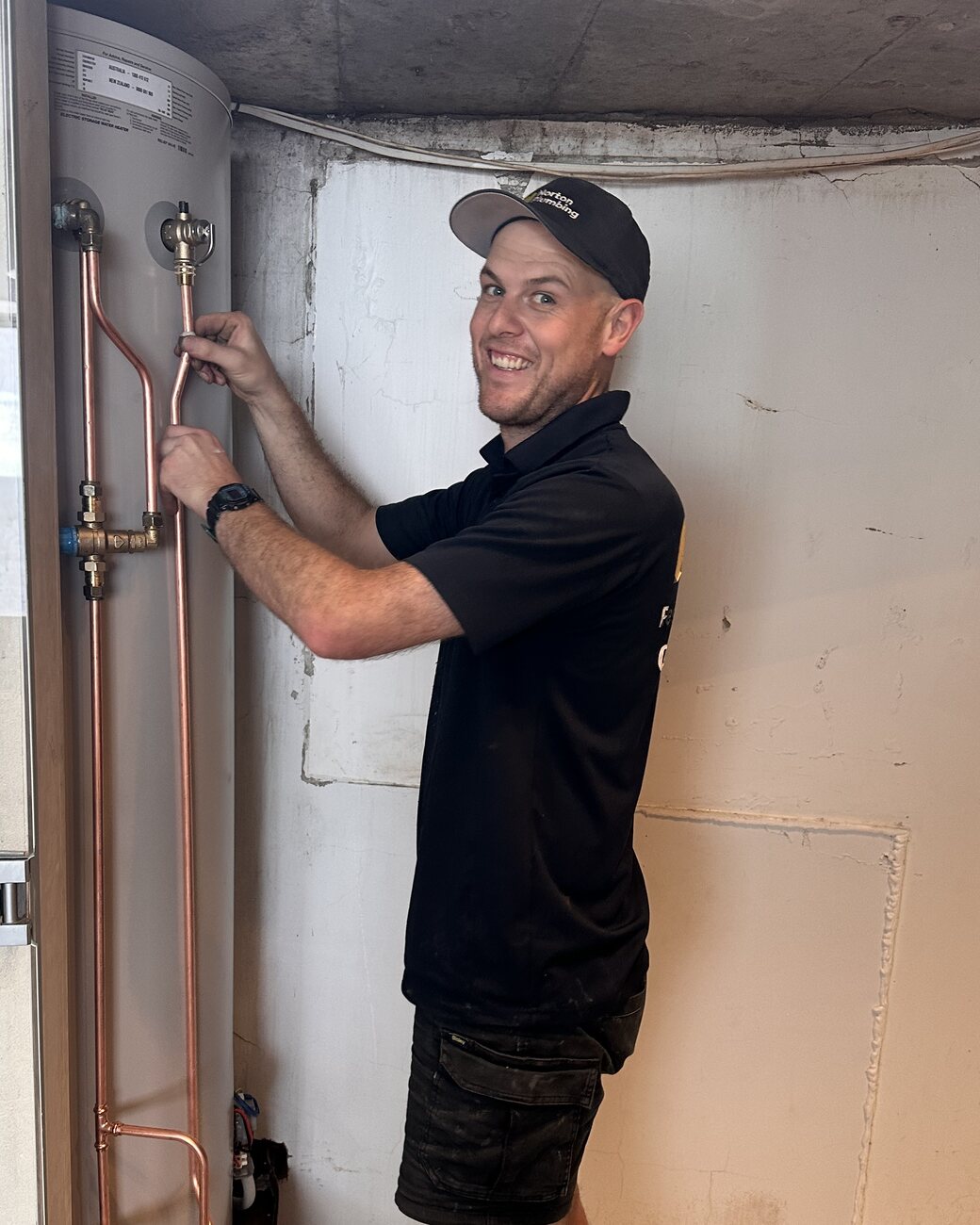
Getting hot water work done safely
Hot water work in NSW must be carried out by a licensed plumber, and any gas connection by a licensed gasfitter, to the standards NSW Fair Trading sets. A compliant job means the correct relief and tempering valves and a unit that is safe to run for the next decade. It is not a corner worth cutting.
If your hot water has already gone cold, or there is water where it should not be, that is worth a look before it gets worse. We handle hot water repairs and replacements across Coogee, Maroubra, Randwick and the wider Eastern Suburbs, and we answer the phone around the clock for emergencies when a system fails overnight.
Contact Norton Plumbing
Norton Plumbing is a family-run plumbing business serving Coogee and the Eastern Suburbs since 2019. Adam Norton is our primary technician and holds NSW plumbing licence 397768C. Phone: 0477 858 951. Based at 10/11a-15 Berwick Street, Coogee NSW 2034. See our hot water service page for what a winter repair or replacement involves.
Frequently asked
Common questions
- Why do hot water systems fail more often in winter?
- The water entering your home is colder in winter, so the system works harder and longer to reach the same temperature, just as demand for hot showers climbs. That extra load does not create new faults so much as expose worn elements, spent anodes and ageing tanks that were already close to the end.
- Why is my hot water only lukewarm in the cold months?
- Lukewarm water usually points to a failing heating element or thermostat on an electric system, or sediment build-up in the tank. In winter the unit is working harder to keep up, so a component that was marginal in summer struggles. It is often a repair rather than a full replacement if the tank is sound.
- Should I replace my hot water system before winter?
- If your system is over 10 years old or showing warning signs, replacing it before the cold sets in beats waiting for it to fail on the coldest morning. Under 8 years and running well, there is usually no need. We can assess the age, condition and anode to give you an honest view.
- How long does a hot water system last?
- Electric and gas storage systems typically last 8 to 12 years, and gas continuous flow can run longer. Coastal Eastern Suburbs homes often see shorter lifespans because salt air accelerates corrosion. Having the sacrificial anode checked every few years is the single best way to get more years out of a tank.
- What are the signs my hot water system is about to fail?
- Watch for water running lukewarm, taking longer to heat, rusty or discoloured hot water, popping or rumbling from the tank, water pooling at the base, or a relief valve that drips constantly. Acting on these early often means a repair. Ignoring them tends to end in a complete failure at the worst time.
Related service
Hot Water Systems
Same-day hot water repair and replacement in Eastern Suburbs Sydney - Rheem, Rinnai, Bosch, Dux, Vulcan, Aquamax and all other brands
See our hot water systems pageNeed a plumber in the Eastern Suburbs?
Call 0477 858 951