Seasonal · 6 min read
Winter plumbing tips for Eastern Suburbs homes
The three things that catch Eastern Suburbs homeowners out every winter: hot water failures, blocked drains after heavy rain, and older pipes under stress. Here's what to check before the cold sets in.
Adam Norton · 2 June 2026
Winter in Sydney's Eastern Suburbs is not extreme by national standards, but it is hard on plumbing. Overnight temperatures drop enough to stress hot water systems that were already marginal. Heavy rain pushes debris and root growth through aging drains. And older copper and galvanised pipes that have been corroding quietly for decades choose the coldest week of the year to finally let go. Every winter, Norton Plumbing sees a predictable spike in the same three categories of callout across Coogee, Bondi, Maroubra, Randwick, and surrounding suburbs.
Most of these are preventable. Here is what to check before the cold sets in, and the warning signs that mean it is time to act rather than wait.
Hot water systems: the biggest winter failure
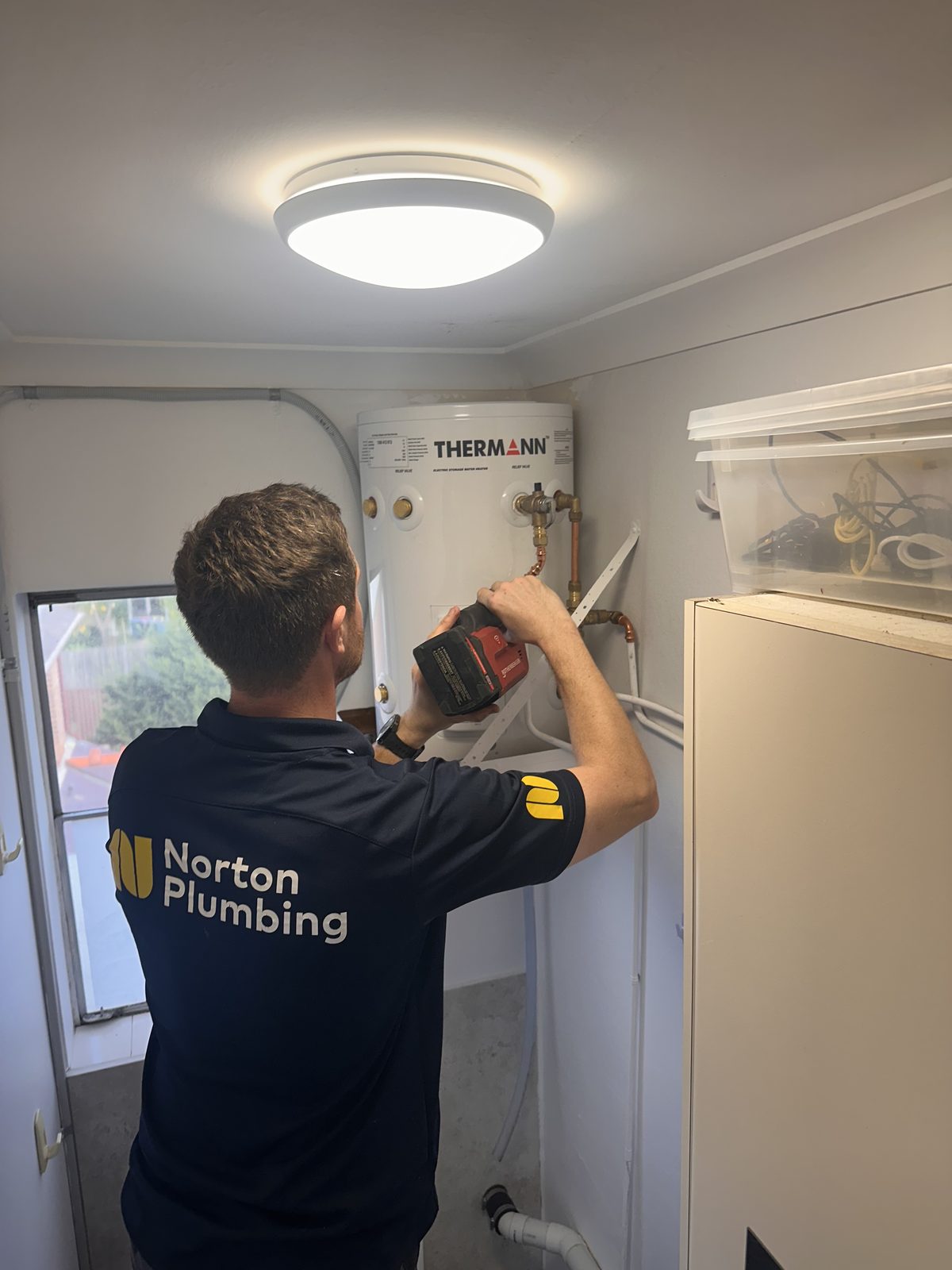
Hot water system failures are our single most common winter callout. The pattern is always the same: a storage tank that has been slowly deteriorating through autumn finally gives out on the first genuinely cold morning, when every tap in the house is asking for hot water at once. The system was showing signs for months, but nobody noticed because lukewarm water in April feels different from no water in July.
The good news is that most winter hot water failures are avoidable with a handful of checks you can do yourself or have a plumber do during a routine visit.
Five prevention tips for your hot water system
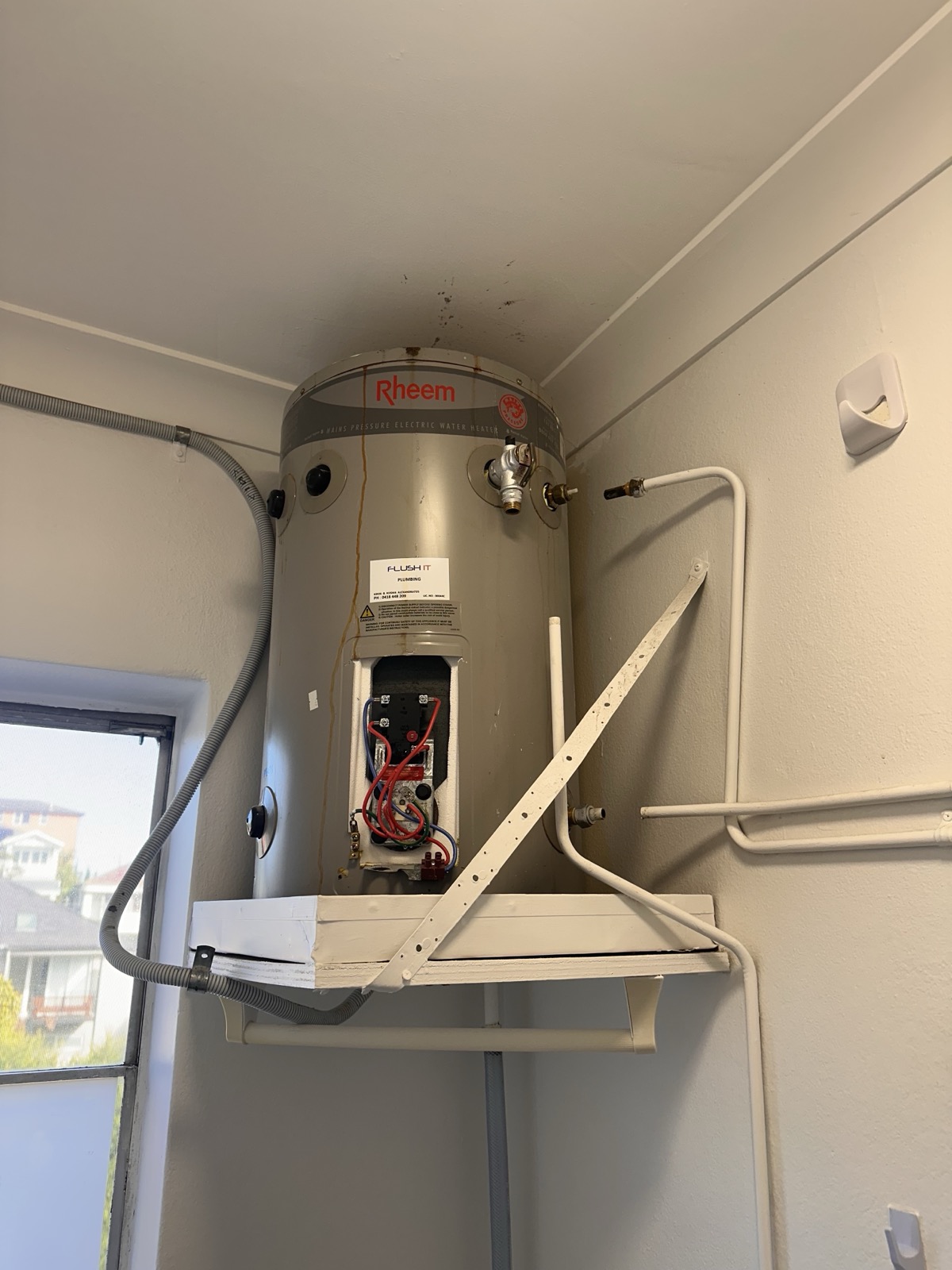
- Get your sacrificial anode checked every 3 to 5 years. The anode is a metal rod inside the tank designed to corrode in place of the steel walls. It is the single best way to extend tank life, especially in coastal suburbs like Coogee and Bronte where salt air accelerates corrosion. Once the anode is gone, the tank itself is what corrodes next, and at that point you are looking at replacement rather than a cheap part swap.
- Set your thermostat to 60 degrees Celsius. That is hot enough to prevent Legionella bacteria growth in the tank (the minimum required under Australian plumbing standards for storage systems) and cool enough to avoid excessive energy use. If yours has drifted lower over time or been knocked during cleaning, the water in the tank drops below useable temperature and the system works harder to recover.
- Listen for popping or rumbling sounds when the system is heating. That noise is sediment buildup on the heating element or the bottom of the tank. Sediment insulates the element from the water, which forces the system to run longer, reduces efficiency, and shortens the tank's lifespan. A plumber can flush the sediment during a service visit.
- Check your pressure relief valve every six to twelve months by lifting the lever briefly. If water flows out and stops when you release the lever, the valve is working. If no water comes out, the valve may be stuck and needs replacing. A stuck relief valve is a safety issue, not just a maintenance one.
- If your system is over 10 years old, start budgeting for replacement rather than waiting for it to fail on the coldest morning of the year. Storage tanks (gas or electric) typically run 8 to 12 years before the economics shift from repair to replacement. Planning ahead means you choose the replacement on your terms, not under emergency pressure.
For the full list of checks you can run when hot water stops working, our earlier guide covers the steps: Hot water system not working? The quick checks before you call a plumber.
Drains after heavy rain: why winter storms cause blockages
Sydney's Eastern Suburbs gets its heaviest rainfall between May and August. After a sustained downpour, Norton Plumbing's phone rings with drain blockages that weren't there the week before. The rain itself is not the problem. What the rain does is accelerate two things that were already happening underground.
- Root growth surges after rain. Wet soil encourages tree roots to grow faster and push harder into any crack or open joint in a terracotta sewer pipe. A root entry that was manageable in dry weather can become a full blockage after a week of rain. This is the most common cause of the same drain blocking every winter in the Eastern Suburbs.
- Stormwater overwhelms aging infrastructure. Sand, leaves, and debris wash into outdoor floor wastes, stormwater pits, and grated drains. In older properties where the stormwater and sewer systems share sections of pipework, heavy rain can push debris into the sewer line as well.
- Ground movement displaces pipes. Eastern Suburbs soils, particularly the sandy and reactive ground through Coogee, Bondi, and Bronte, expand and contract with moisture. Sustained wet weather shifts the ground around old clay pipes, opening joints that were previously sealed well enough to function.

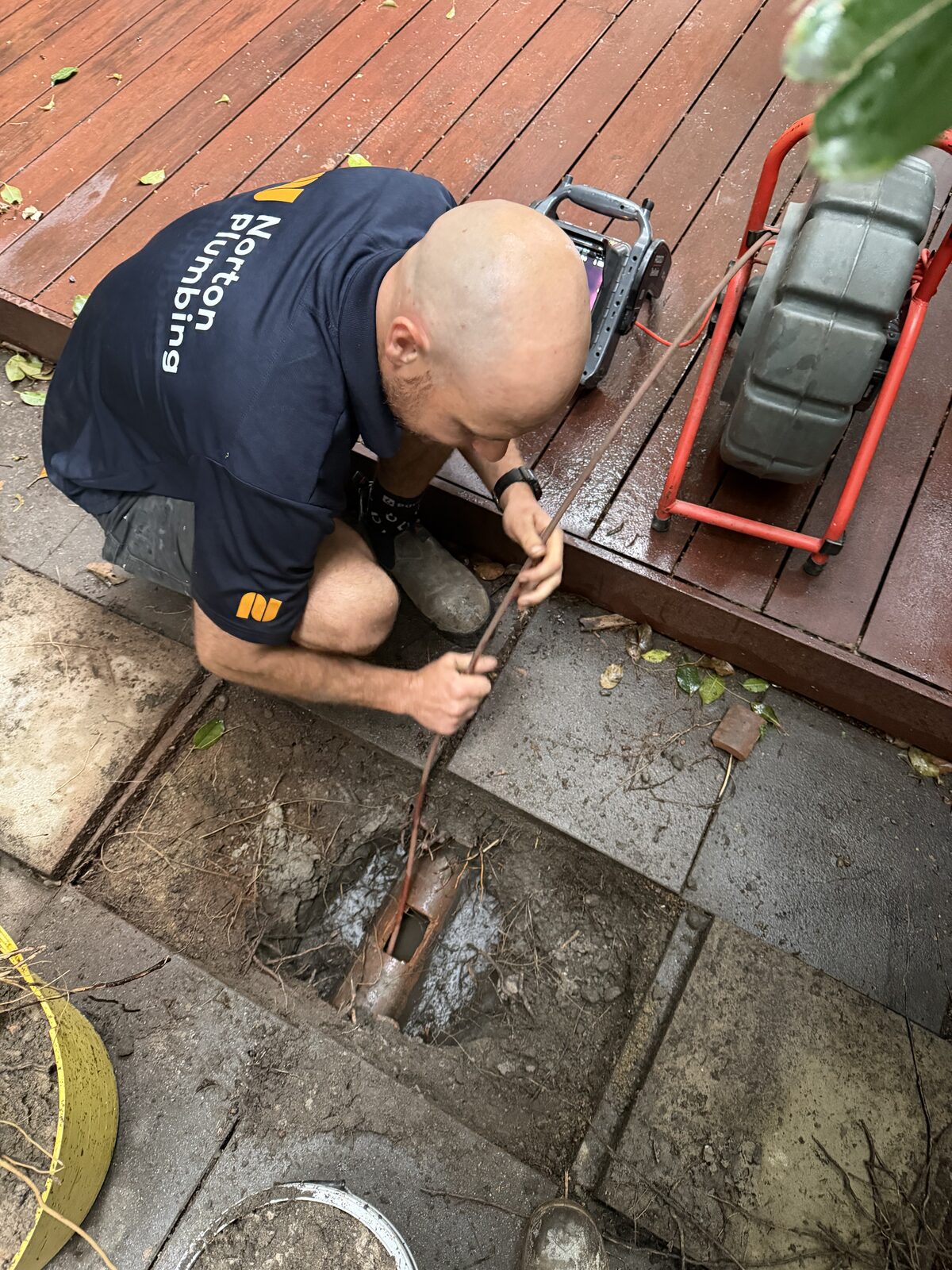
We documented a typical example of this pattern in a recent job: South Coogee blocked drain: tree roots. A Saturday morning emergency where CCTV found roots completely blocking a clay pipe at 22 metres. The blockage had been building through autumn and the first heavy rain tipped it over. If the drain had been CCTV-inspected before winter, the root entry would have been visible and the emergency avoidable.
For a deeper look at why roots keep coming back and what the permanent fix options are, read: Tree roots in old clay drains: the Eastern Suburbs problem that never goes away.
Older pipes under winter stress
Sydney does not get cold enough for pipes to freeze, but winter still puts older plumbing under more strain than summer. Hot water pipes expand and contract more as the temperature difference between the water inside and the air outside increases. In a home with 40-plus-year-old copper supply lines, that thermal cycling can be the final push on a joint or section that has been thinning from salt-air corrosion for decades.
The warning signs are the same year-round, but they tend to show up in winter because the system is working harder:
- A damp patch on a wall or ceiling that appears or grows during cold weather. Often a pinhole leak in a cavity wall that has been weeping slowly and worsens when thermal cycling stresses the joint.
- Green or blue-green staining at exposed pipe joints under sinks, in laundries, or in subfloor spaces. That is verdigris, the visible sign of active copper corrosion, and it means the joint is reactive even if it has not started leaking yet.
- The water meter ticking with every tap in the house turned off. A definitive sign of a leak somewhere on the supply side. Worth checking before winter rather than discovering the problem on your next water bill.
- Discoloured or rusty water from a single tap. Internal pipe scale breaking loose, which usually means the interior surface is corroding and the pipe is approaching end-of-life.
We wrote a detailed guide on how salt-air corrosion affects Eastern Suburbs copper pipes and what detection and repair look like: Eastern Suburbs pipe corrosion: how we spot copper leaks before they get expensive.
A simple pre-winter checklist
If you want to get ahead of the three categories above, here is what Norton Plumbing recommends checking before June is out:
- Check your hot water system's thermostat is set to 60 degrees Celsius and the unit is heating properly.
- Lift the pressure relief valve lever briefly to confirm it releases water and reseats.
- If your tank is over five years old in a coastal suburb, book an anode inspection.
- Clear leaves and debris from outdoor floor wastes, stormwater grates, and gutters.
- If the same drain blocked last winter, book a CCTV inspection before it blocks again. The camera will show whether roots or a pipe defect are causing the cycle.
- Walk around the house and check for new damp patches, staining at exposed pipe joints, or dripping under sinks.
None of these take long. All of them are cheaper than an emergency callout on a Sunday morning in July.
How to reach Norton Plumbing
Norton Plumbing has been looking after plumbing across Sydney's Eastern Suburbs since 2019. We operate from 10/11a-15 Berwick Street, Coogee NSW 2034. Phone: 0477 858 951. I'm Adam Norton, NSW plumbing licence 397768C. We work across the Eastern Suburbs including Coogee, Bondi, Randwick, Maroubra, and Bronte. During business hours there is no callout fee. For hot water issues, our hot water service page covers the systems we work on. For drains, our blocked drains service page walks through what a clearing and CCTV visit involves.
Frequently asked
Common questions
- How often should a sacrificial anode be checked in a coastal suburb?
- Every three to five years for homes near the coast. In suburbs like Coogee, Bondi, and Bronte, salt air accelerates corrosion and anodes burn out faster than the inland average. Once the anode has gone, the tank walls themselves start to corrode, which usually means full replacement instead of a much cheaper anode swap.
- Why do drains block more often after heavy rain?
- Heavy rain encourages tree root growth into cracked pipe joints, washes debris into stormwater and outdoor drains, and shifts the ground around old clay pipes in reactive Eastern Suburbs soils. A root entry that was manageable in dry weather can become a full blockage after sustained rainfall. The pattern is most common in pre-1980s homes with terracotta sewer lines.
- What temperature should a hot water system be set to?
- 60 degrees Celsius for storage systems. That is the minimum required under Australian plumbing standards to prevent Legionella bacteria growth in the tank. Lower settings save a small amount on energy but create a real health risk. Higher settings increase energy costs without meaningful benefit for most households.
- How do I know if my copper pipes are corroding?
- The most visible early sign is green or blue-green crystalline staining (verdigris) at exposed joints under sinks, in laundries, or in subfloor spaces. Other signs include a damp patch on a wall or ceiling with no obvious source, the water meter moving with all taps off, or discoloured water from a single tap. Coastal Eastern Suburbs homes with copper over 30 years old are most at risk.
- What should I check on my hot water system before winter?
- Confirm the thermostat is set to 60 degrees Celsius, lift the pressure relief valve lever briefly to make sure it releases water and reseats properly, listen for popping or rumbling sounds during heating (which indicates sediment buildup), and check for any visible leaks or pooling around the base of the unit. If the tank is over five years old in a coastal suburb, book an anode inspection.
Related service
Hot Water Systems
Same-day hot water repair and replacement in Eastern Suburbs Sydney - Rheem, Rinnai, Bosch, Dux, Vulcan, Aquamax and all other brands
See our hot water systems pageNeed a plumber in the Eastern Suburbs?
Call 0477 858 951